
Motivation • Inspirations • Examples • SonicTexting • Explorations • Conclusions
|
•• Conclusions ••
This thesis followed two layers of investigation:
the qualities of auditory interaction and the audio-tactile connection, studied most deeply in SonicTexting;
and the concept of audio tactility in mobile devices, addressed by the three explorations together.
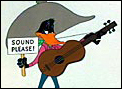 |
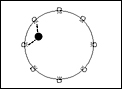
The sound design of SonicTexting was a constant process of reduction and editing to find the sound that would contain all information aspects, while creating an enjoyable sonic experience. This process of ‘editing out’ provided a large part of the answer to the question of the SonicTexting sound - it's auditory character. I found that the informative aspects of the sound defined - to a large extent - its expression. | |
 |
|
|
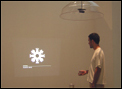 |
SonicTexting demonstrates that people can successfully and enjoyably use sound as a source of information with a digital object. One user described the change in experience after the visual feedback was removed: “a breakthrough of pleasure”. |
|
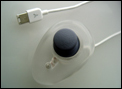 |
Audio-tactile interactions with mobile devices, such as the ones presented in this thesis, are feasible and interesting in business terms. The potential for enjoyment, play, and long-term mastery suggest that audiotactile products could have market success. |
Back to < Abstract
 |
|
Audio-Tactile • Michal Rinott • Thesis Project • Interaction-Ivrea 2004 |
|